Why Rework Happens: The Hidden Cost of Poor Process Design
PROCESS IMPROVEMENT
4/2/2026
Rework is one of the most expensive—and least understood—problems in business.
Most organizations treat it as a performance issue. Someone made a mistake. A team missed something. A deadline slipped.
But research tells a different story.
The majority of errors are not caused by people. They’re caused by systems.
W. Edwards Deming, a pioneer in quality management, famously estimated that 94% of problems come from the system, not the individual. That insight still holds true today.
Modern research in Human Factors Engineering supports this. When processes are unclear, inconsistent, or overly complex, the likelihood of human error increases dramatically.
In other words:
People don’t fail randomly. They fail predictably—based on how work is designed.
Rework is often the result of three core issues:
1. Ambiguity in Process
When expectations aren’t clearly defined, teams fill in the gaps differently. This creates variation—and variation creates defects.
2. Cognitive Overload
When individuals are forced to manage too many variables at once, error rates increase. Research shows that working memory is limited, typically handling 4–7 items at a time.
3. Lack of Feedback Loops
Without immediate feedback, mistakes compound. By the time they’re detected, correction is costly.
This is where process design becomes critical.
High-performing organizations reduce rework by:
Standardizing critical workflows
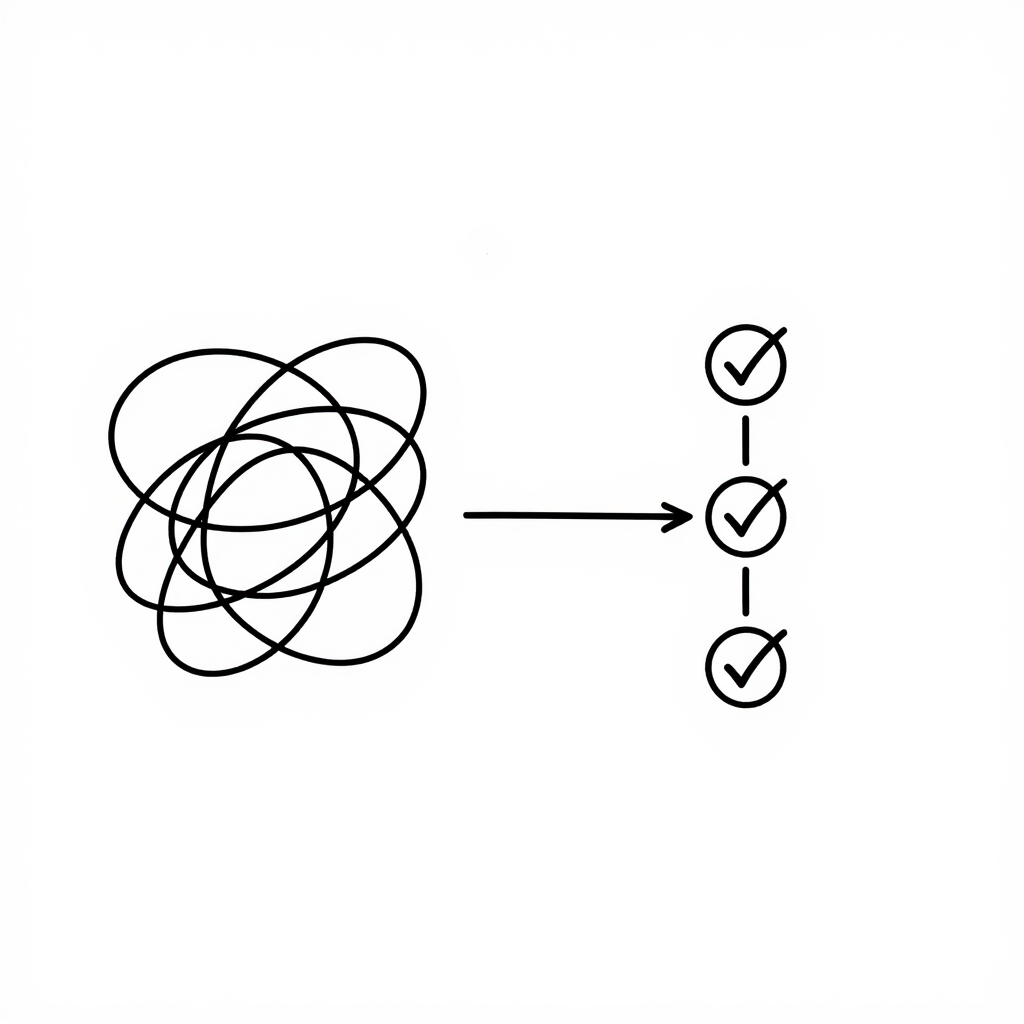
Creating visual controls and checklists
Building feedback loops into the process
Reducing unnecessary complexity
This aligns with principles seen in industries like aviation and healthcare, where checklists have been proven to reduce error rates significantly. Atul Gawande highlighted this in his work on surgical safety, showing how simple process improvements can dramatically improve outcomes.
For leaders, the takeaway is clear:
If rework exists, it’s not a coincidence—it’s a signal.
A signal that your process is allowing errors to happen.
Fix the system, and performance follows.
Contact
Let's improve your business together.
contact@rmscsolutions.com
© 2026 All rights reserved.
Contact
+1 647-576-7000