Why Most Strategies Fail in the First 30 Days
STRATEGY & LEADERSHIP
3/24/2026
Most strategies don’t fail because they’re wrong.
They fail because execution breaks down—fast.
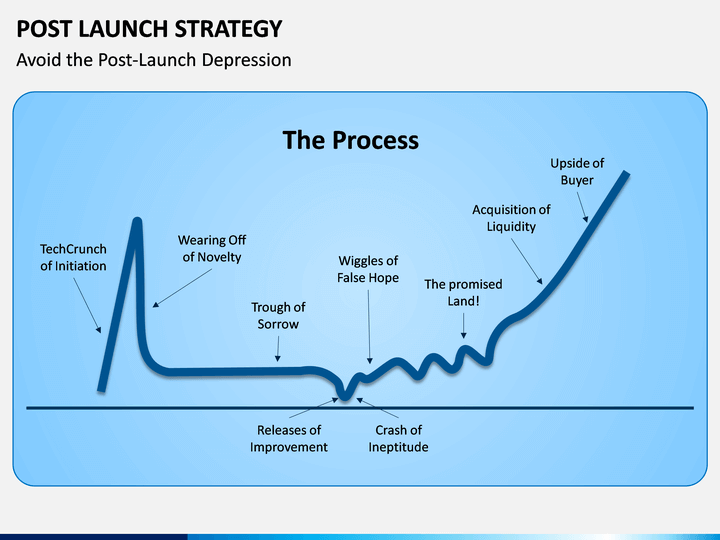
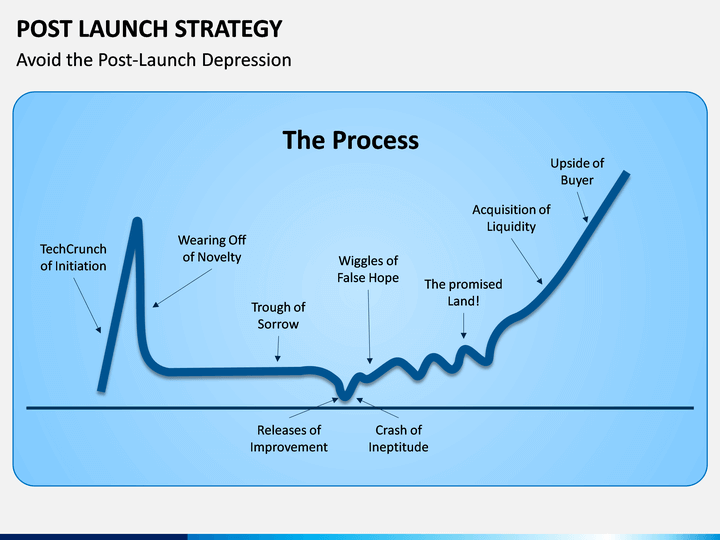
In fact, the first 30 days after a strategy is launched are where most initiatives quietly die. Not with a clear decision, but through missed follow-ups, unclear ownership, and gradual loss of focus.
At RMSC Consulting, we see this pattern constantly. Leadership teams invest time building a strong plan—only to watch it stall almost immediately.
Why?
Because strategy without execution discipline is just intention.
The First 30-Day Trap
Right after a strategy is introduced, there’s usually energy:
Kickoff meetings
Alignment discussions
Clear enthusiasm
But within weeks:
Priorities start competing
Teams revert to old habits
Ownership becomes unclear
Progress tracking fades
The issue isn’t commitment—it’s structure.
What Breaks Down
There are three consistent failure points:
1. Lack of Clear Ownership
If everyone owns it, no one owns it. Execution requires named accountability.
2. No Defined Cadence
Without weekly checkpoints, progress becomes invisible—and invisible work doesn’t get done.
3. Too Many Priorities
When everything is important, nothing moves. Focus always beats volume.
What High-Performing Teams Do Differently
Organizations that execute well treat the first 30 days as critical—not optional.
They:
Assign single-threaded ownership for each initiative
Establish weekly execution reviews
Track 2–3 core metrics only
Identify risks early (not after failure)
Execution is not about intensity—it’s about consistency.
The RMSC Approach
We structure execution using a simple principle:
If it’s not reviewed weekly, it’s not a priority.
The first 30 days should focus on:
Building momentum
Reinforcing accountability
Creating visibility
Because once a strategy loses traction, recovery is far more difficult than initial execution.
Final Thought
Strategy doesn’t fail on paper.
It fails in the gap between intention and action.
Close that gap early—and everything changes.
Contact
Let's improve your business together.
contact@rmscsolutions.com
© 2026 All rights reserved.
Contact
+1 647-576-7000