
The Science of Productivity: Why Most Teams Work Against Their Own Brain
STRATEGY & LEADERSHIP
3/31/2026
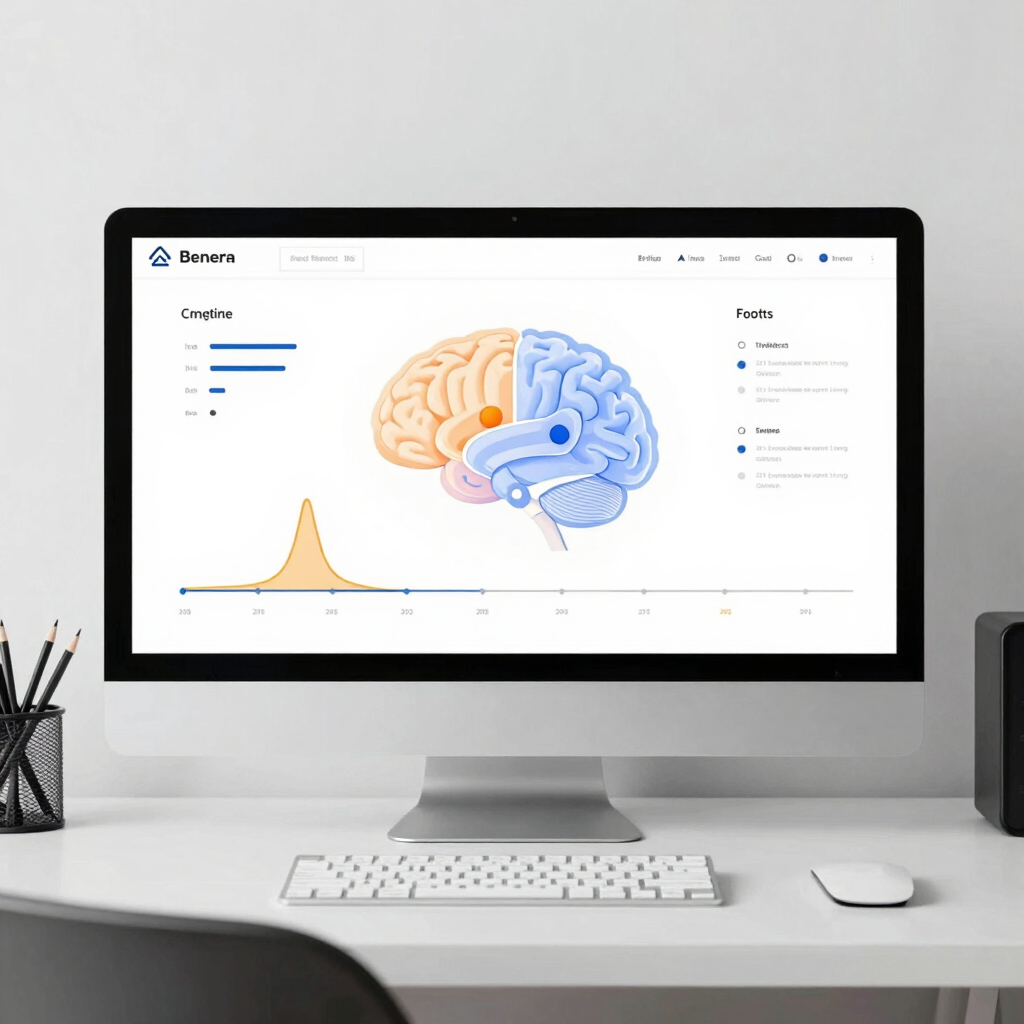
Most productivity advice focuses on tools—task lists, software, frameworks. But the real constraint isn’t your tools. It’s your biology.
Human cognitive performance is not constant. Research in neuroscience shows that attention, decision-making, and problem-solving are governed by cycles of mental energy, not effort alone. The brain consumes roughly 20% of the body’s energy, and it actively resists sustained high-focus work.
This is where most teams go wrong.
They design workdays assuming consistent output across 8–10 hours. Meetings are scattered randomly. Deep work is interrupted. Multitasking is encouraged. On paper, it looks efficient. In reality, it creates cognitive drag.
Studies from institutions like Stanford University have shown that multitasking reduces productivity and cognitive control. Meanwhile, research tied to the concept of ultradian rhythms (90–120 minute cycles of focus and fatigue) suggests that peak performance happens in waves—not steady output.
Yet most organizations ignore this completely.
Instead, high-performing teams structure work around how the brain actually functions:
They batch deep work into uninterrupted blocks
They limit context switching
They align high-value tasks with peak mental hours
They reduce unnecessary decision load
This is also supported by decision fatigue research, popularized by Roy Baumeister, which shows that decision quality deteriorates over time when cognitive resources are depleted.
Operationally, this matters more than most leaders realize.
When teams are constantly interrupted, they don’t just lose time—they lose quality. Errors increase. Rework rises. Cycle times expand. What appears to be a “people problem” is often a system design issue.
This is where operational excellence intersects with neuroscience.
If your systems force people to work against their cognitive limits, no amount of motivation will fix it. But when workflows align with natural performance cycles, output improves without adding effort.
That’s the shift:
From managing time → to managing energy
From forcing output → to designing for performance
The companies that understand this don’t just work harder.
They work smarter—by design.
Contact
Let's improve your business together.
contact@rmscsolutions.com
© 2026 All rights reserved.
Contact
+1 647-576-7000